
What Is an EKG Technician — And Is It a Good Career in 2025?
LATISHA COLEMAN · September 27, 2026 · 4 min read
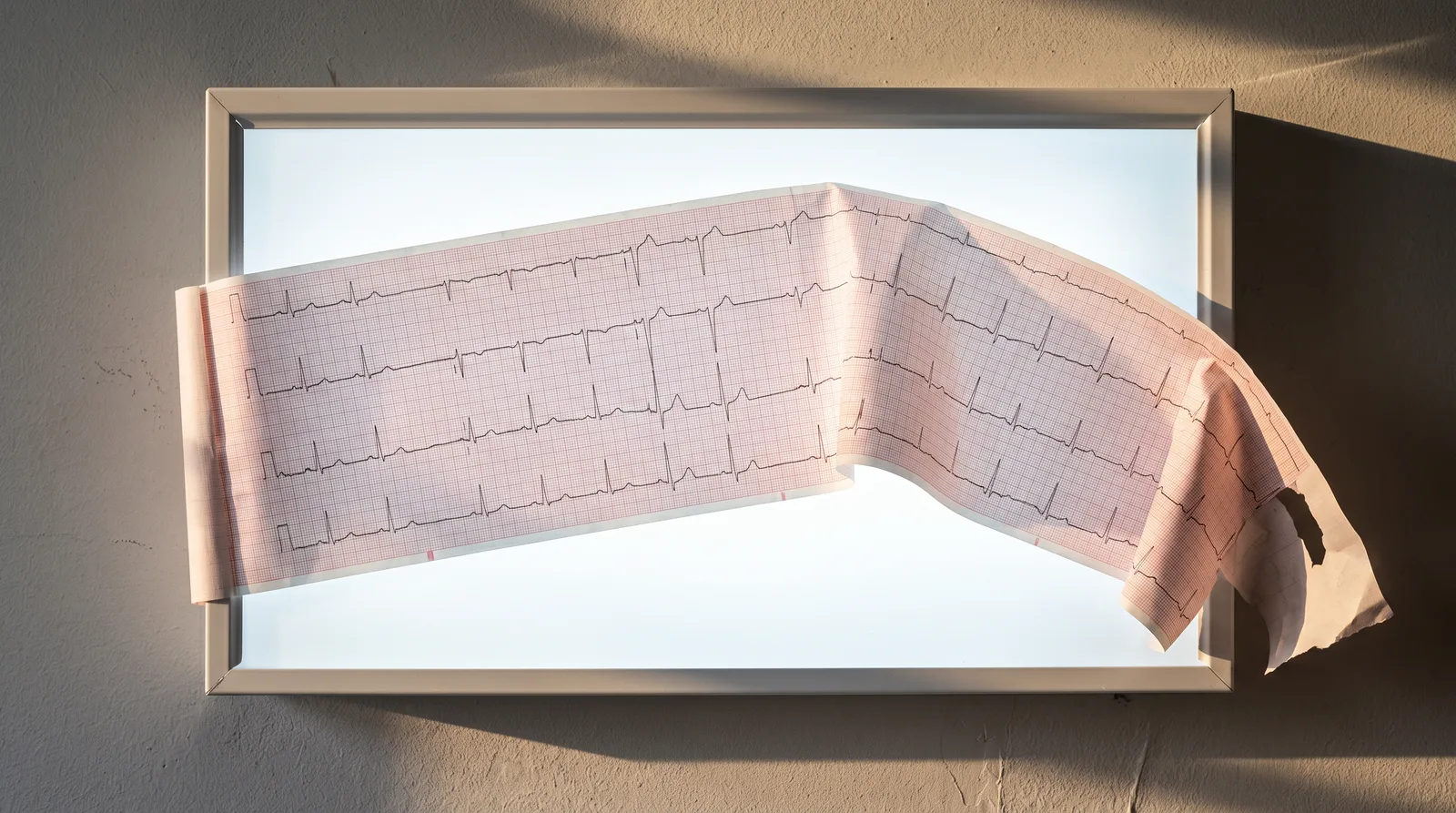
I want to talk about a role that flies under the radar — one that sits right at the intersection of patient care and clinical technology, and one that more people should seriously consider when they're mapping out a healthcare career.
That role is EKG technician. And in 2025, it's worth a very close look.
So, What Does an EKG Technician Actually Do?
An EKG technician — also called an electrocardiography technician or cardiac monitor technician — is the person responsible for performing electrocardiograms (EKGs or ECGs). An EKG is a test that records the electrical activity of the heart using small sensors called electrodes that are attached to the skin.
On a typical day, an EKG tech will:
- Prepare patients by explaining the procedure calmly and clearly, which matters more than people realize — a relaxed patient produces a cleaner tracing
- Apply electrodes to the chest, arms, and legs in precise anatomical positions (there are 10 electrodes for a standard 12-lead EKG, and placement accuracy directly affects the quality of the reading)
- Operate EKG equipment to capture the heart's electrical waveforms — those characteristic P waves, QRS complexes, and T waves you may have seen on a printout
- Identify and correct artifacts — interference on the tracing caused by movement, poor electrode contact, or electrical noise in the room
- Transmit results to physicians and cardiologists, often through electronic health record systems
- Perform Holter monitor hook-ups, which record heart activity continuously over 24 to 48 hours as patients go about their daily lives
- Assist with stress testing, monitoring patients while they walk on a treadmill so clinicians can observe how the heart responds to exertion
This is hands-on, patient-facing, detail-oriented work. You are not in the background — you are the person the patient sees, and your accuracy directly supports the physician's diagnosis.
Where Do EKG Technicians Work?
The settings are more varied than most people expect:
- Hospitals — in cardiology departments, emergency departments, and intensive care units
- Cardiology clinics and group practices
- Outpatient diagnostic centers
- Mobile cardiac monitoring companies, a fast-growing sector
- Long-term care facilities
That variety matters when you're thinking about work-life fit. Some positions are Monday-through-Friday clinic hours; others involve hospital shifts with evenings and weekends.
What Do EKG Technicians Earn in the US?
Compensation varies by setting, experience, geographic region, and whether you hold a professional certification. Entry-level positions in lower cost-of-living areas will sit toward the lower end of the range, while experienced techs in major metropolitan areas or specialized cardiac units earn considerably more. Earning a nationally recognized credential — such as the Certified EKG Technician (CET) from the National Healthcareer Association — consistently shows up as a factor in moving compensation upward.
The broader point: this is a paid clinical career, not a volunteer pipeline. It stands on its own financially, especially as a starting point.
Why Is Demand Growing?
A few structural forces are working in this field's favor right now:
The population is aging. Cardiovascular disease is heavily age-related, and the US population skews older with each passing year. More patients with cardiac concerns means more EKGs being ordered.
Cardiac monitoring is expanding beyond hospital walls. Wearable cardiac devices, remote patient monitoring programs, and mobile diagnostic units are all increasing the number of touchpoints where a trained EKG tech adds value.
Physicians can't do it all. As healthcare systems absorb more patients, the clinical team model — where allied health professionals handle specific diagnostic tasks — becomes more important, not less. EKG techs are a direct answer to that need.
The credential-to-career timeline is short. Compared to many clinical roles, you can complete your training, earn a certification, and be working in a relatively compressed timeframe. That's not a shortcut — it's an efficient pathway that actually matches the scope of the role.
Is It a Good Career in 2025?
Here's my honest answer: yes, for the right person.
The right person is someone who genuinely enjoys working with patients, has the patience and precision for technical work, and wants a clinical foothold without committing years to a degree program right out of the gate. EKG tech is also a strong launchpad — many people use it as a stepping stone into cardiovascular sonography, cardiac catheterization lab work, or nursing.
The wrong fit is someone who wants a purely behind-the-scenes role, or who isn't comfortable with the physical and emotional reality of working with cardiac patients, including those who are scared or unwell.
Know which one you are — and if the first description sounds like you, this field deserves a serious spot on your list.
At Haus of Healthcare, our Electrocardiography program is designed to give you exactly the preparation this career demands — the clinical knowledge, the hands-on technique, and the credential-readiness to walk into an interview with confidence. If you're ready to learn more, we'd love to have you inside.